Choose a MIPI Camera Module by Resolution
4K MIPI Camera Modules for Embedded Vision
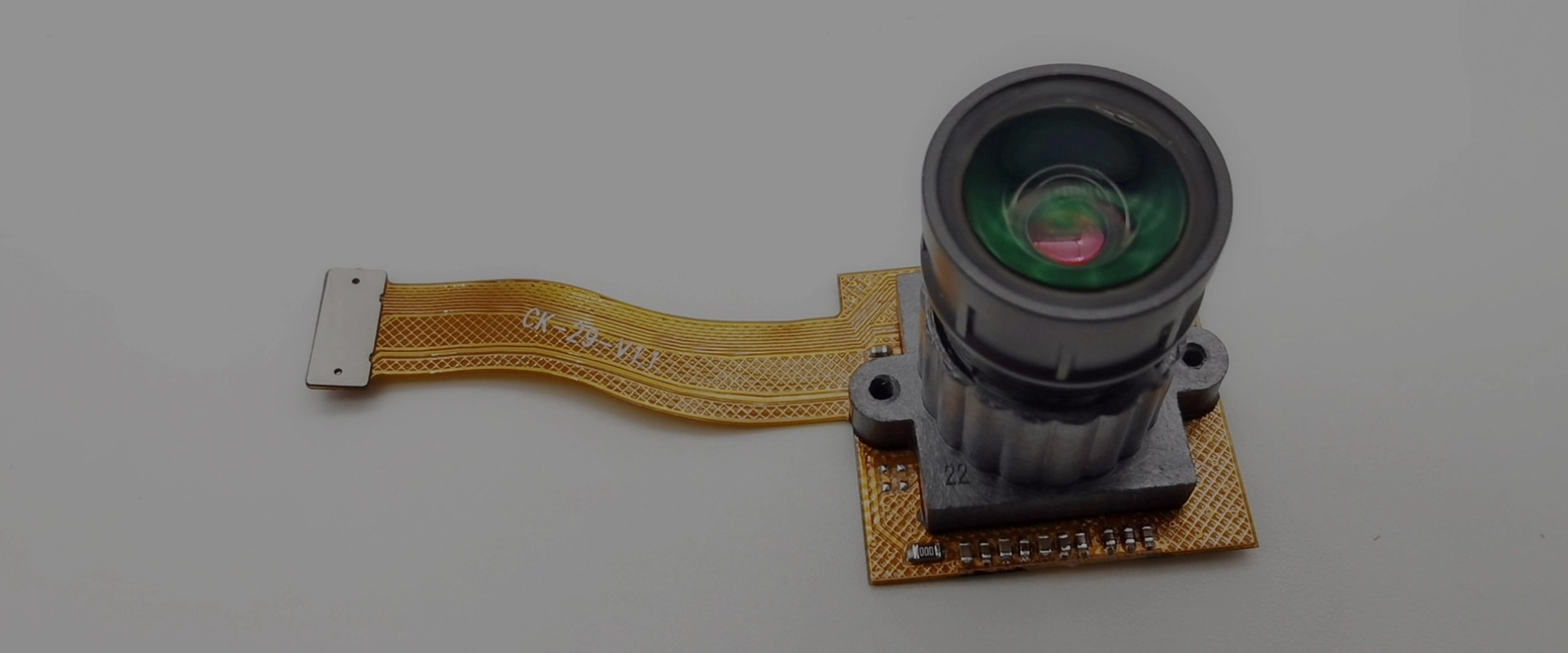
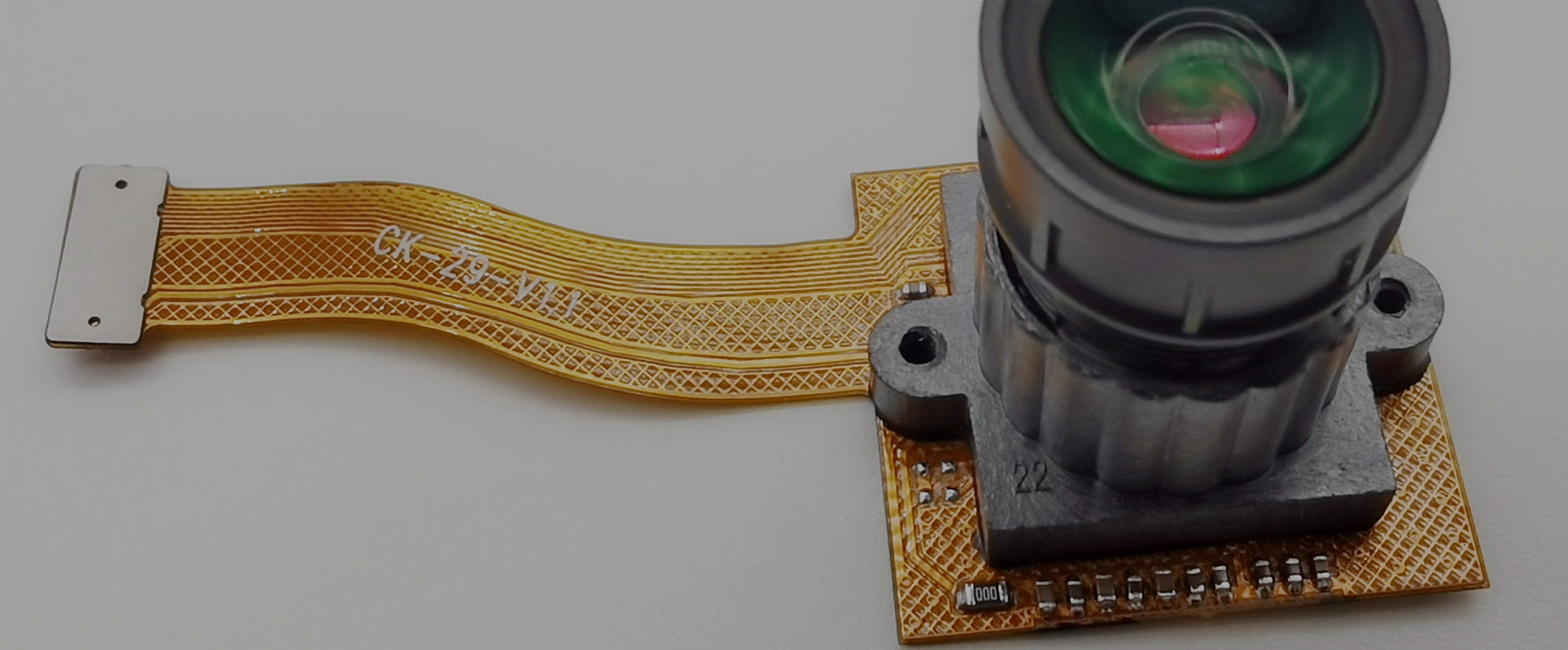
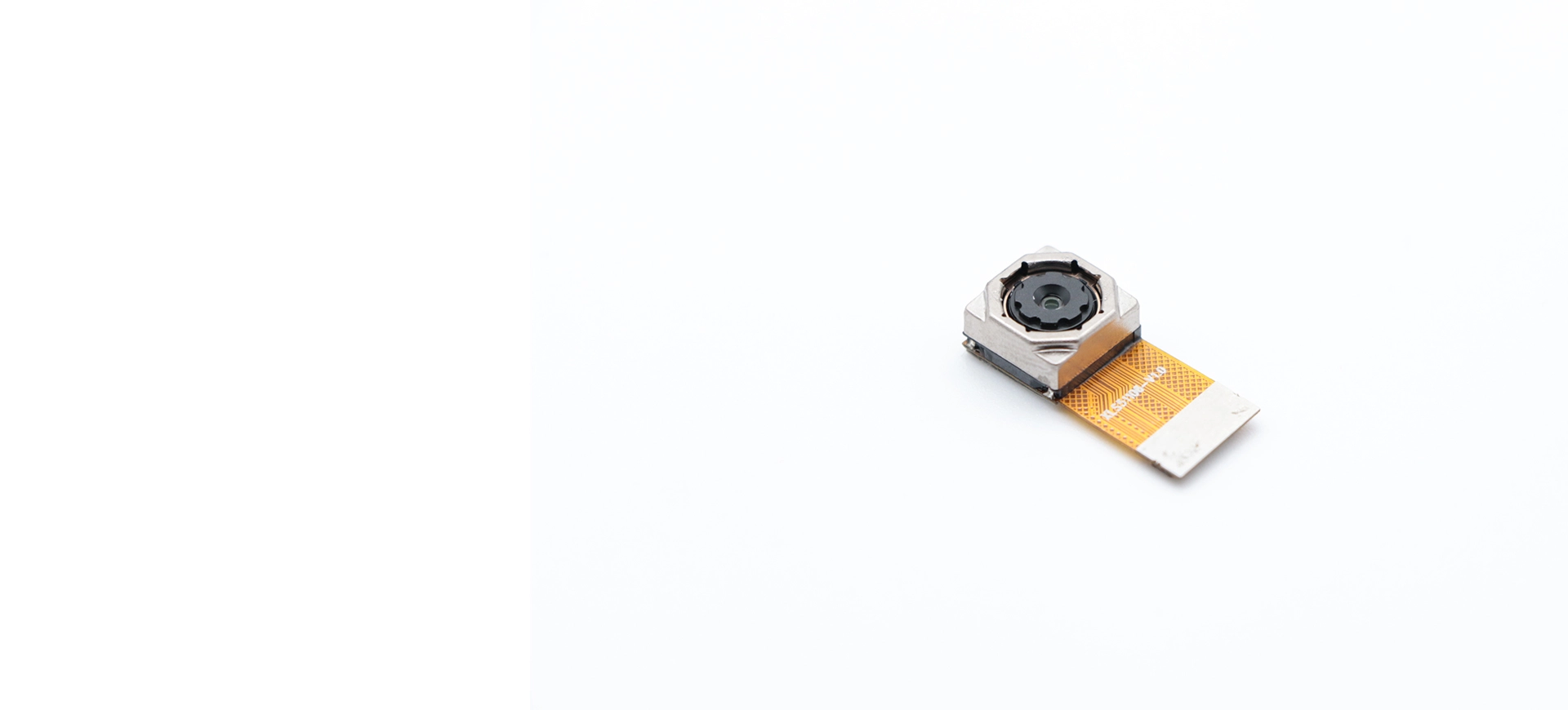
A 4K MIPI camera module is an embedded camera designed to transmit approximately 3840 × 2160 image data through a MIPI CSI-2 interface to a compatible application processor. Most 4K camera designs use an 8MP or higher-resolution sensor, but the available frame rate and output format depend on the sensor mode, MIPI lane bandwidth and host processing capability.
CK Vision provides custom 4K MIPI camera solutions for smart terminals, robotics, document capture, embedded AI devices and high-resolution inspection systems. Available options include fixed-focus or autofocus lenses, custom PCB/FPC structures, connector pinouts, field of view, MIPI lane configurations, sensor drivers and ISP tuning.
| Selection Factor | 4K MIPI Camera Requirement |
| Output Resolution | Approximately 3840 × 2160, subject to sensor mode |
| Camera Interface | MIPI CSI-2 |
| Sensor Resolution | Usually 8MP or higher |
| Output Format | RAW or processed output, depending on camera architecture |
| MIPI Configuration | 2-lane or 4-lane, subject to sensor and host compatibility |
| Focus Options | Fixed focus, autofocus or application-specific focus |
| Host Requirements | Compatible CSI-2 receiver, sensor driver and ISP |
| Customization | PCB/FPC, connector, lens, FOV, firmware and image tuning |
A 4K resolution specification alone does not guarantee a particular frame rate. The processor must provide sufficient CSI-2, ISP and memory bandwidth for the selected resolution, bit depth and frame rate. Camera performance should therefore be verified on the intended processor platform before mass production.
For applications requiring 4K-class output, review CK Vision’s 8MP / 4K MIPI CSI-2 camera module or send us your processor model, MIPI lane configuration, required frame rate, enclosure drawing and lens requirements for a custom evaluation.
Rolling Shutter vs Global Shutter MIPI Camera Modules
| Item | Rolling Shutter | Global Shutter |
| Image capture | Rows are exposed at different times | All pixels are exposed within the same time window |
| Main advantage | Higher resolution and wider sensor choice | Reduced motion distortion |
| Main limitation | Moving objects may appear skewed | Resolution or sensitivity options may be more limited |
| Typical uses | Video terminals, smart devices, static capture | Robotics, barcode scanning, drones, industrial inspection |
| Selection priority | Detail, cost, low-light performance | Motion accuracy and synchronization |
RAW vs YUV/RGB MIPI Camera Module Output
The output format of a MIPI camera module determines where image processing takes place and how much development work is required on the host platform. Some MIPI modules transmit unprocessed RAW sensor data, while others use an integrated ISP to output processed YUV or RGB images.
| Output Type | Image Processing | Host Requirements | Main Advantages | Suitable Applications |
| RAW MIPI | Completed by the host ISP | Sensor driver, CSI-2 receiver and compatible ISP | Greater control over image quality and sensor modes | Embedded AI, robotics, custom imaging and high-resolution cameras |
| YUV MIPI | Mainly completed inside the sensor or camera module | CSI-2 receiver and output-format support | Easier integration and consistent processed output | Smart terminals, video devices and systems with limited ISP capability |
| RGB MIPI | Color processing is completed before transmission | Host support for the selected RGB format | Direct color-image output for specific platforms | Displays, compact embedded devices and application-specific systems |
RAW MIPI Camera Modules
A RAW MIPI camera transmits sensor data before complete color and image-quality processing. The host processor is responsible for demosaicing, exposure control, automatic white balance, color correction, noise reduction, sharpening and lens-shading correction.
RAW output provides greater flexibility for project-specific image optimization, but it requires a compatible sensor driver and ISP pipeline. The final image quality depends on the image sensor, lens, lighting, register configuration and ISP tuning.
YUV and RGB MIPI Camera Modules
A YUV or RGB MIPI camera performs more image processing inside the sensor or module before sending the image to the host processor. This can simplify integration when the host platform does not provide a suitable RAW ISP.
However, processed output normally offers less control over the underlying image pipeline. Available resolution, frame rate, color format and image controls depend on the selected sensor and module architecture.
Which Output Format Should You Choose?
Choose a RAW MIPI camera when the project requires custom image quality, high-resolution sensor modes, advanced ISP tuning or deeper control over exposure and color. Choose a YUV or RGB module when simplified integration and ready-processed image output are more important than extensive image-pipeline control.
CK Vision can evaluate RAW, YUV or RGB output according to the customer’s processor, operating system, MIPI CSI-2 interface, driver availability and image-quality requirements. Customers should provide the processor model, required output format, resolution, frame rate and BSP information before selecting a module.