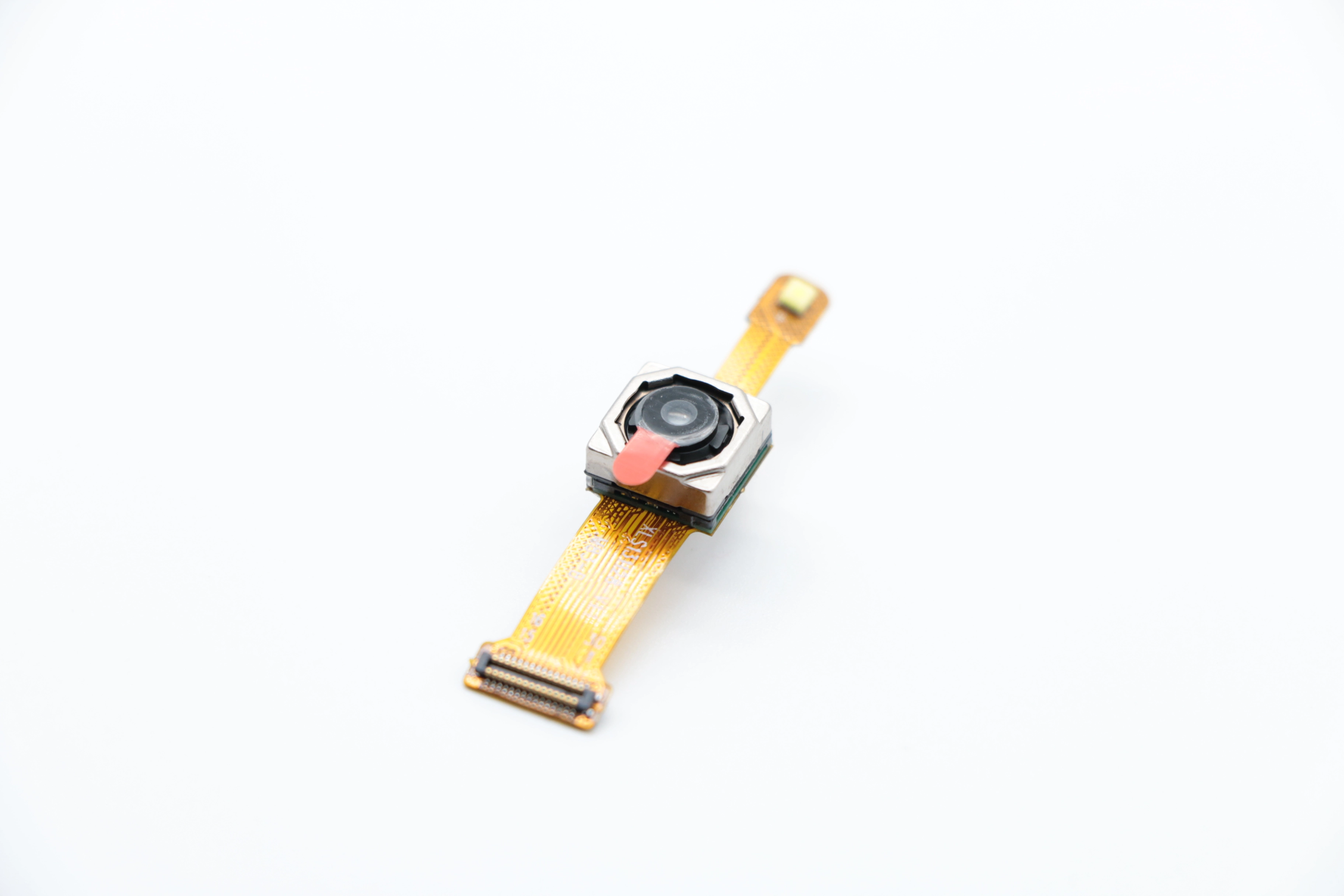
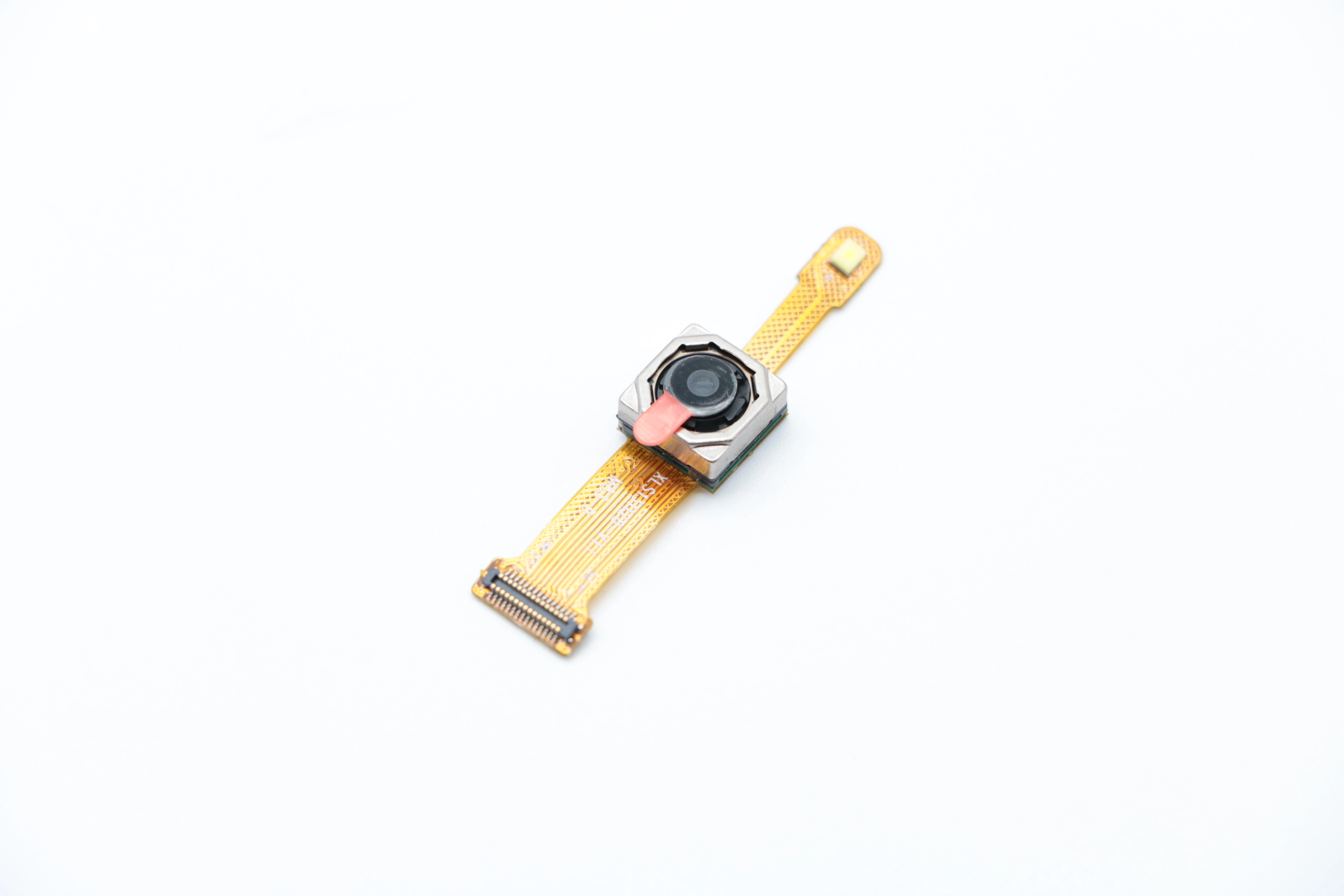
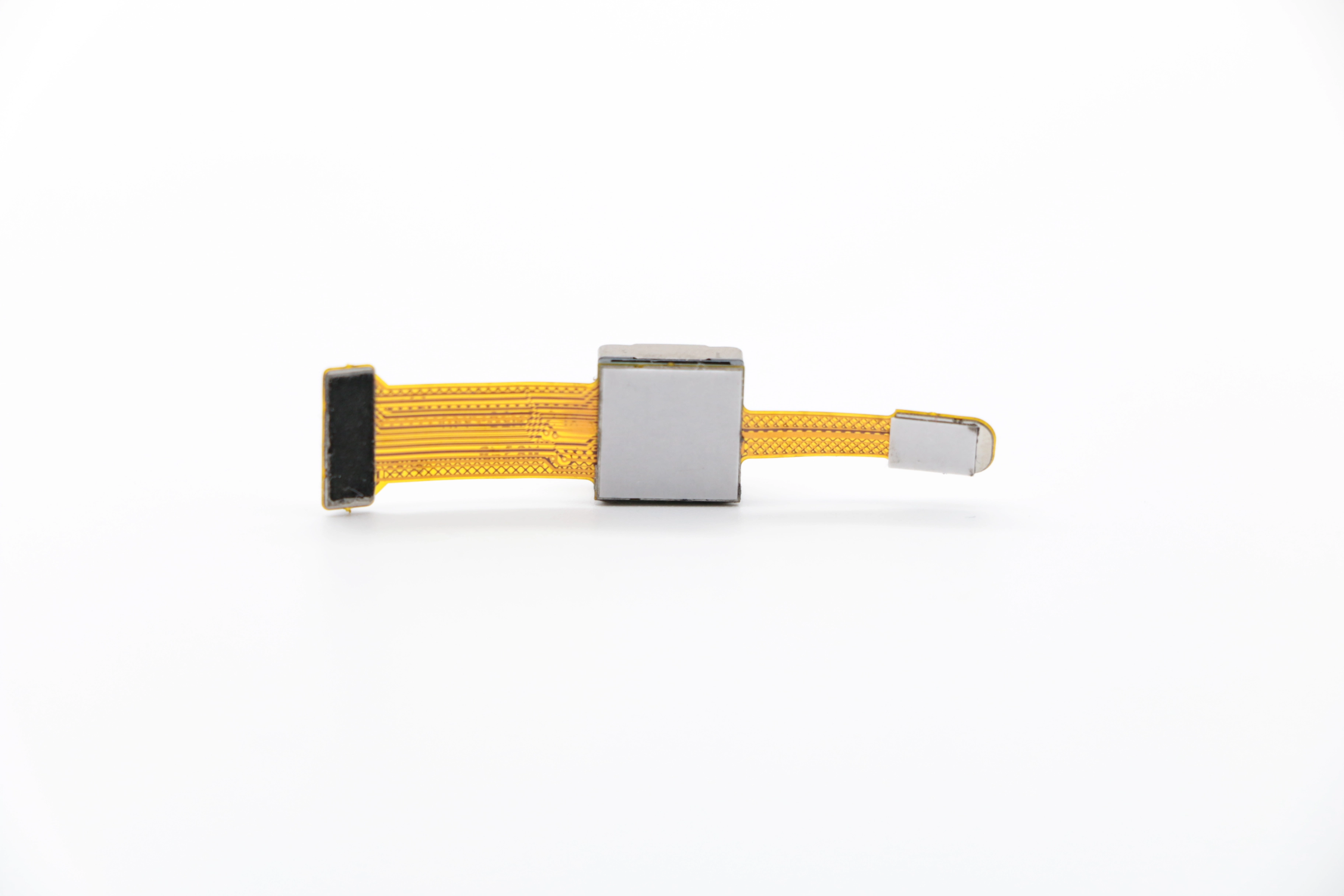
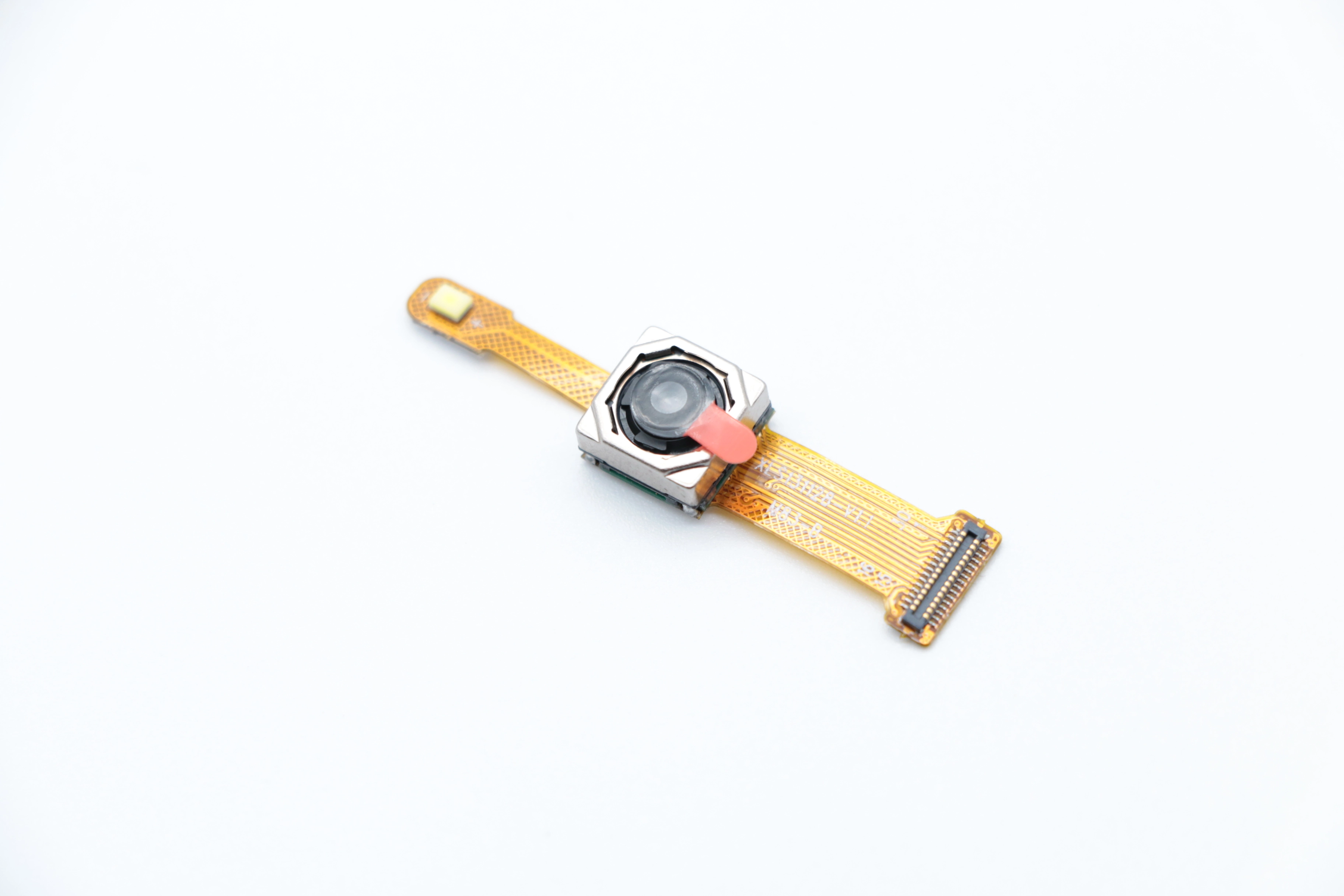
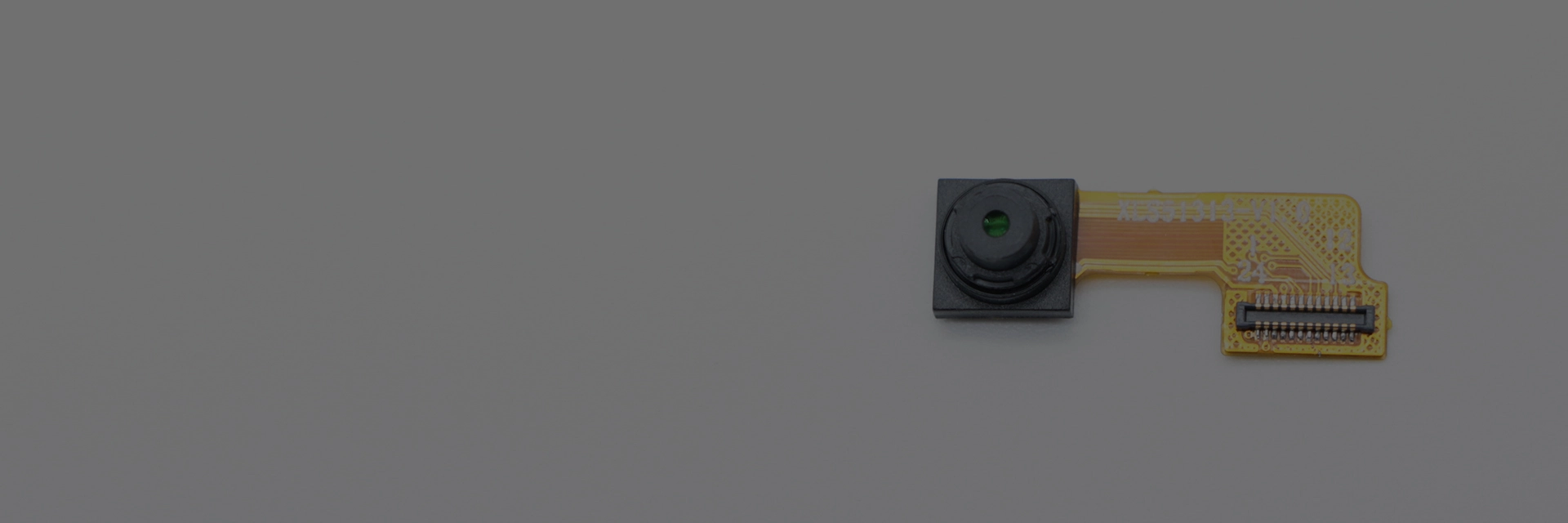
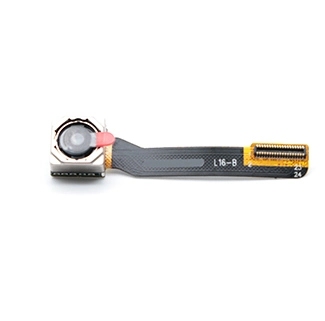
CK-586-V2.0 IMX586 Camera Module Specifications
The following specifications describe the standard CK-586-V2.0 configuration and relevant Sony IMX586 sensor capabilities for high-resolution mipi csi 2 camera modules. Sensor-level interface modes, frame rates, power and temperature values do not automatically represent the guaranteed output of every finished module or host platform. Final operation must be confirmed using the selected FPC or PCB, connector, lens, processor, driver, ISP and firmware.
| Specification | Standard Configuration / Reference | Integration Notes |
|---|
| Model | CK-586-V2.0 | Custom configuration must be identified separately |
| Image Sensor | Sony IMX586 stacked CMOS image sensor | 48MP rolling-shutter sensor |
| Maximum Sensor Image Size | 8000 × 6000 | The achievable output mode and frame rate depend on the full host pipeline |
| Sensor Format | 1/2-type | Lens image circle and mechanical fit must be confirmed |
| Pixel Size | 0.8 µm × 0.8 µm | Final image quality also depends on optics, lighting and processing |
| Sensor Output | RAW10, RAW8 and COMP8, subject to configuration | The receiver and ISP must support the selected data type and packing |
| Camera Interface | MIPI CSI-2 | D-PHY or C-PHY implementation must be confirmed for the supplied module and host |
| Sensor PHY Capability | D-PHY 2/4 lane, up to 2.5 Gbps per lane; C-PHY 1/2/3 trio, up to 2.5 Gsps per trio | Sensor-level reference; do not assume every custom FPC or host supports every mode |
| Focus Type | Autofocus | Requires compatible VCM control and autofocus algorithm |
| Standard Focus Range | Approximately 5 cm to infinity | Actual performance depends on the lens, actuator, lighting and target contrast |
| Standard Lens | M6, 5P + IR, F/2.0 | Application-specific lens and IR-filter options can be evaluated |
| Lens TTL / EFL | TTL 3.79 mm; EFL 2.46 mm | Mechanical tolerance and enclosure clearance must be confirmed |
| Standard Field of View | Diagonal 87°, horizontal 73°, vertical 57°; tolerance ±3° | Verify FOV at the required working distance and image mode |
| Sensor Signal References | SNR up to 42 dB; dynamic range up to 74 dB | Sensor-level reference values; actual results vary by mode, exposure and processing |
| Sensor Power Rails | IOVDD 1.8 V; AVDD1 2.9 V; AVDD2 1.8 V; DVDD 1.1 V | These are sensor-rail references, not a universal module connector input; follow the approved schematic and power sequence |
| Sensor Power Reference | Up to 600 mW | Actual consumption depends on mode and excludes host processing, VCM and optional illumination |
| Temperature References | Operating: -30°C to 85°C; storage: -40°C to 105°C | Sensor-level references; the complete module, lens, actuator, adhesive and optional LED require separate validation |
| LED Illumination | Optional customization; not included in the standard module | Visible or IR options require optical, electrical, thermal and enclosure evaluation |
| Potential Host OS | Linux or Android | Compatibility depends on processor, kernel/BSP, sensor driver, CSI receiver and ISP support |
| Host Integration | Sensor driver, MIPI receiver, ISP and autofocus control required | Validate on the exact processor board and software build |
Specification boundary: Low-light performance, distortion, frame rate and image quality depend on the selected lens, sensor mode, exposure, illumination, interface, host ISP and test method. Confirm these items using the final sample configuration rather than treating a sensor reference value as a guaranteed module result.
48MP Sensor Mode and Frame-Rate References
Sony IMX586 supports multiple sensor modes for high-resolution capture, pixel binning, HDR and high-speed operation. The values below describe sensor-level mode references. They do not guarantee that the standard CK-586-V2.0, a custom FPC or a particular processor can output every mode without additional driver, PHY, ISP and bandwidth validation.
| Sensor Mode Reference | Potential Sensor Rate | Potential Benefit | Required Validation |
|---|
| 48MP QBC remosaic | Up to 30 fps sensor reference | Maximum image detail and digital cropping | Register mode, PHY, lane rate, host CSI, ISP and memory bandwidth |
| QBC HDR | Up to 30 fps sensor reference | Greater highlight and shadow information in supported workflows | HDR mode support, compatible ISP and project-specific image tuning |
| 2 × 2 adjacent-pixel binning, 16:9 | Up to 120 fps sensor reference | Lower output data volume and faster preview modes | Exact output size, crop, lane mode and host processing |
| 2 × 2 adjacent-pixel binning V2H2, 16:9 | Up to 240 fps sensor reference | High-speed sensor operation at a reduced or cropped output mode | Mode table, output dimensions, exposure limits, interface and host capability |
A 48MP sensor does not mean that every application should continuously operate at 48MP. The best mode depends on required detail, lighting, exposure time, frame rate, CSI bandwidth, ISP capacity, system memory and processing latency.
RAW10 vs RAW8 vs COMP8 Output
Output selection affects image-processing flexibility, interface bandwidth and host compatibility. The exact format must be supported by both the selected IMX586 mode and the processor's CSI receiver and ISP pipeline.
| Output | Main Characteristic | Bandwidth Consideration | Host Requirement |
|---|
| RAW10 | Retains more sensor data per pixel for downstream processing | Generally higher than RAW8 for the same image mode | RAW10-compatible receiver, packing support and ISP |
| RAW8 | Lower bit depth and data volume | Generally lower than RAW10 for the same image mode | RAW8-compatible receiver and processing pipeline |
| COMP8 | Sensor compression format available in supported configurations | Can reduce transport data but requires a compatible decoding path | Receiver, driver and ISP support for the selected compression mode |
RAW10 does not automatically guarantee a better finished image than RAW8. Lens quality, lighting, exposure, sensor configuration and ISP processing still determine the final result.
MIPI CSI-2 Host Integration Requirements
CK-586-V2.0 is a RAW MIPI module, not a plug-and-play USB or UVC camera. The host must receive the sensor stream, control the sensor and autofocus hardware, and process the RAW image data.
| Integration Item | Requirement |
|---|
| Processor and CSI Receiver | Compatible MIPI CSI-2 D-PHY or C-PHY receiver and sufficient input bandwidth for the selected mode |
| Lane / Trio Configuration | The module pinout, PHY mode, lane or trio count and host receiver must match |
| Sensor Clock | Input clock frequency, source, tolerance and timing must match the validated register mode |
| Power Sequence | Regulators, reset, power-down and timing must follow the approved module design |
| Sensor Integration | IMX586 initialization, stream control, mode tables, exposure control and platform configuration |
| Device Tree / BSP | Clock, GPIO, regulators, reset, endpoint, PHY and media-pipeline configuration |
| ISP Pipeline | Compatible demosaic, exposure, white balance, color, noise reduction, sharpening and lens-correction workflow |
| Autofocus | Compatible VCM driver, control interface, calibration and focus algorithm |
| Memory and Processing | Sufficient bandwidth and processing resources for the selected resolution, bit depth and frame rate |
| Final Validation | Required on the final processor, board, lens, enclosure, illumination and software build |
For general sensor, interface and host-selection guidance, review CK Vision's MIPI camera module solutions. If a selected sensor is detected but cannot stream reliably, see the camera sensor debugging workflow.
Converting the MIPI RAW stream into a computer-compatible USB camera output requires an additional USB bridge or image processor, suitable firmware and sufficient interface bandwidth.
Autofocus, Lens and Working-Distance Selection
The standard CK-586-V2.0 uses an M6 autofocus lens with an approximate focus range from 5 cm to infinity. Autofocus performance depends on the lens, VCM, driver IC, host control interface, focus algorithm, lighting and target contrast. The stated focus range should be validated in the final enclosure and working environment.
A different lens can change the field of view, distortion, module height, focus range and amount of detail delivered to the 48MP sensor. For a custom optical evaluation, provide the required horizontal or diagonal FOV, minimum and maximum working distance, target size, enclosure window, illumination and available module height.
Fixed-focus, autofocus and application-specific focus configurations may be evaluated, but a lens selected only by focal length may not resolve sufficient detail for the intended high-resolution application.
Optional LED Illumination and OEM Customization
LED illumination is not included in the standard CK-586-V2.0 module. Visible-light or IR illumination can be evaluated as an optional custom design when the application requires controlled close-range lighting. The LED specification must be selected according to wavelength or color, working distance, target reflectivity, lens FOV, required brightness, available power and enclosure space.
Mechanical customization
FPC or PCB outline, mounting points, cable direction, connector position and enclosure fit
Electrical customization
Connector, pinout, PHY configuration, power design and optional LED control
Optical customization
Lens, FOV, working distance, focus range, IR filter and illumination layout
Platform customization
Sensor mode, register configuration, host integration and image-quality evaluation
LED position and brightness must be tested with the final lens and enclosure window. Incorrect geometry or excessive illumination can create reflections, glare, hotspots, overexposure and additional heat.
Potential Applications
The IMX586 camera module may be suitable for projects that need high-resolution RAW capture and have a compatible host processing platform. Potential applications include:
High-detail document, label or surface capture
Embedded imaging systems requiring digital cropping
Controlled close-range imaging with optional illumination
Research and high-resolution image-acquisition platforms
Machine-vision development requiring RAW sensor data
Custom terminals requiring autofocus and compact optics
Application suitability must be validated using the required working distance, lighting, motion, frame rate, enclosure, processor and image-quality criteria. Sensor resolution alone does not prove that a module meets a specific inspection or recognition target.
48MP IMX586 Camera Module FAQ
Is CK-586-V2.0 a USB camera?
No. It is a RAW MIPI CSI-2 camera module. Direct connection to a standard computer USB port requires an additional USB bridge or image processor, compatible firmware and sufficient bandwidth for the selected output mode.
Does the IMX586 camera module require platform integration?
Yes. The host normally requires IMX586 initialization and mode control, MIPI CSI-2 receiver configuration, power and clock control, ISP integration and autofocus control. Exact work depends on the processor, OS, kernel/BSP, board and selected mode.
Can the module output 8000 × 6000 at 30 fps?
IMX586 documentation lists a full-resolution sensor mode with an up-to-30-fps reference. Actual module and system output must still be verified against the register mode, RAW format, PHY and lane configuration, host receiver, ISP, memory bandwidth and thermal conditions.
Does 48MP automatically mean 8K video?
No. A 48MP sensor image size does not guarantee a standardized 8K video mode, a particular aspect ratio or a specific frame rate. Video output depends on the selected crop, sensor mode, interface and complete host pipeline.
What is the difference between 48MP and pixel-binning modes?
The 48MP remosaic mode prioritizes maximum image detail and requires more transport and processing resources. Binning modes reduce or crop the output and can support faster or more efficient operating modes. Exact image quality and sensitivity depend on the sensor configuration, exposure and ISP processing.
Does the standard module include LED illumination?
No. LED illumination is an optional customization. Visible-light or IR options require confirmation of wavelength or color, working distance, power, thermal design, lens FOV, enclosure space and control method.
Does the module support autofocus?
The standard configuration uses an autofocus lens with an approximate 5 cm-to-infinity focus range. Actual performance depends on the VCM, control interface, focus algorithm, lens, lighting, target contrast and enclosure.
Can the FPC, connector and pinout be customized?
Yes, subject to electrical, signal-integrity and mechanical review. Provide the host-board schematic, connector definition, required PHY and lane configuration, cable direction and enclosure drawing for evaluation.
What information is required for a custom sample?
Provide the processor or SoC, OS and BSP/kernel version, D-PHY or C-PHY configuration, connector pinout, required resolution and frame rate, RAW format, enclosure and FPC drawings, lens FOV, working distance, focus requirement, optional illumination specification, prototype quantity and estimated production demand.
Request an IMX586 Module Compatibility Evaluation
Send your processor or development-board model, OS/BSP, PHY and lane configuration, required resolution and frame rate, RAW format, enclosure drawing, lens and working-distance requirements, autofocus configuration and optional LED specifications. CK Vision will review the optical, mechanical, electrical and platform-integration requirements before recommending a sample configuration.