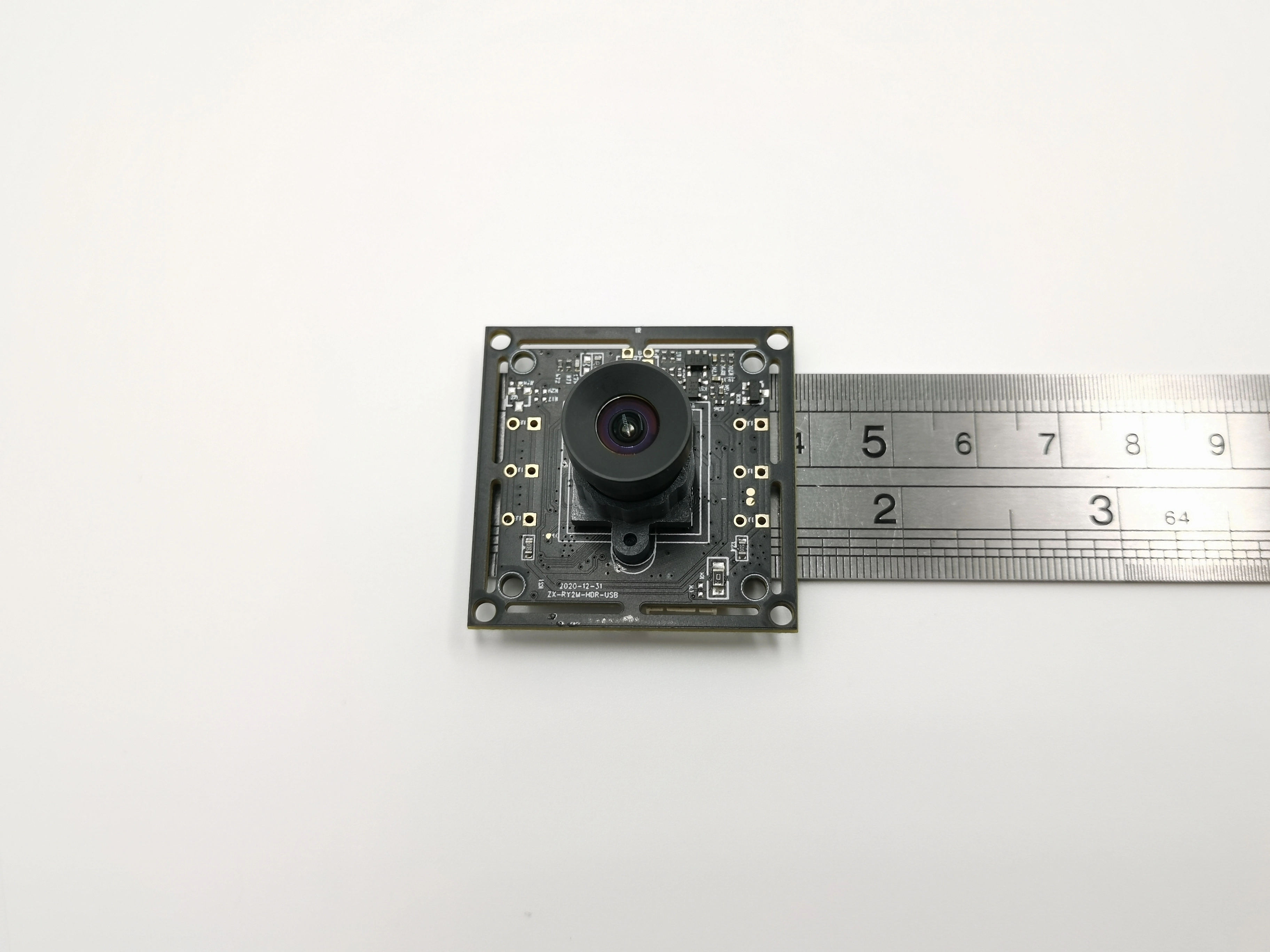
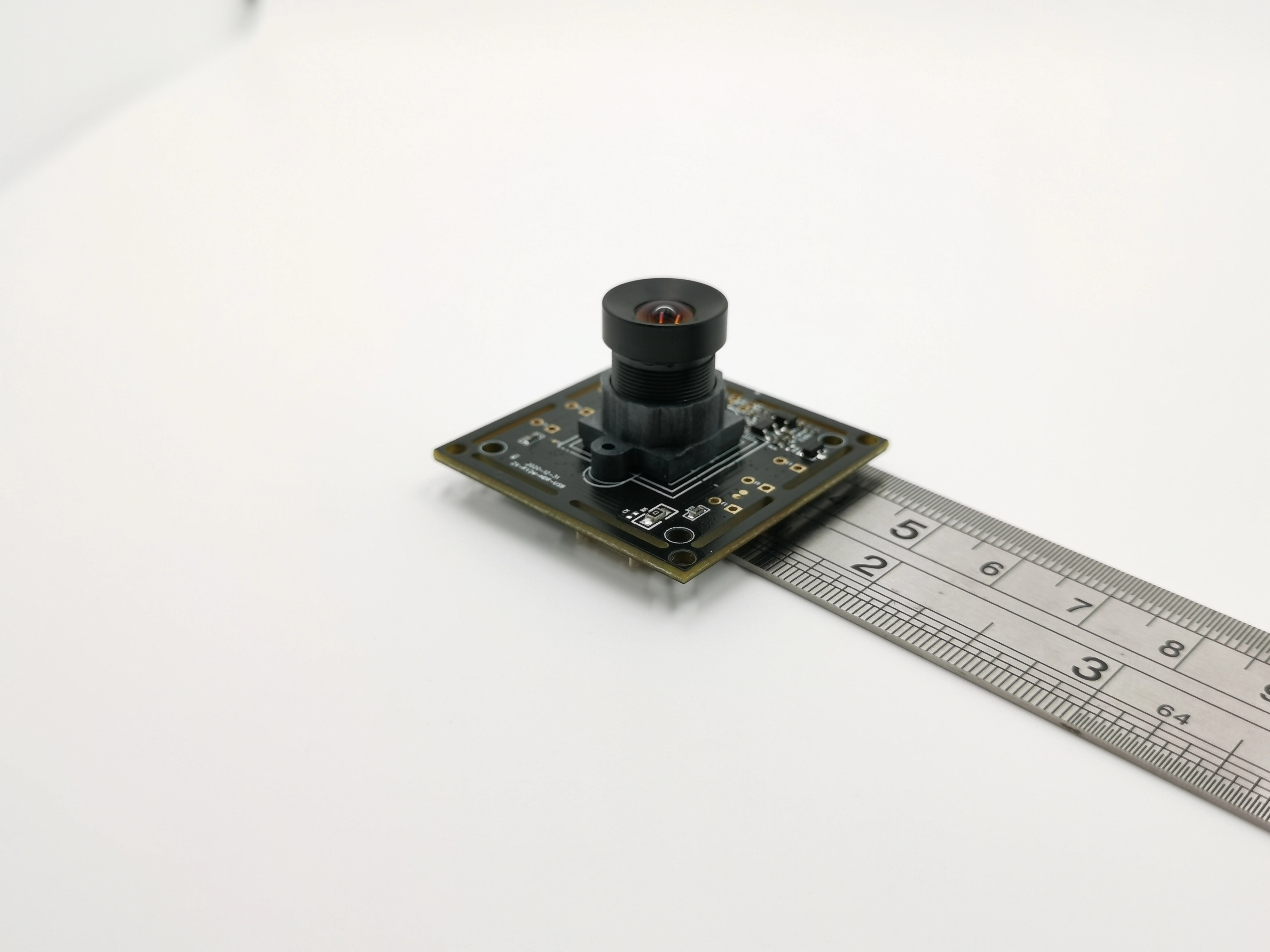
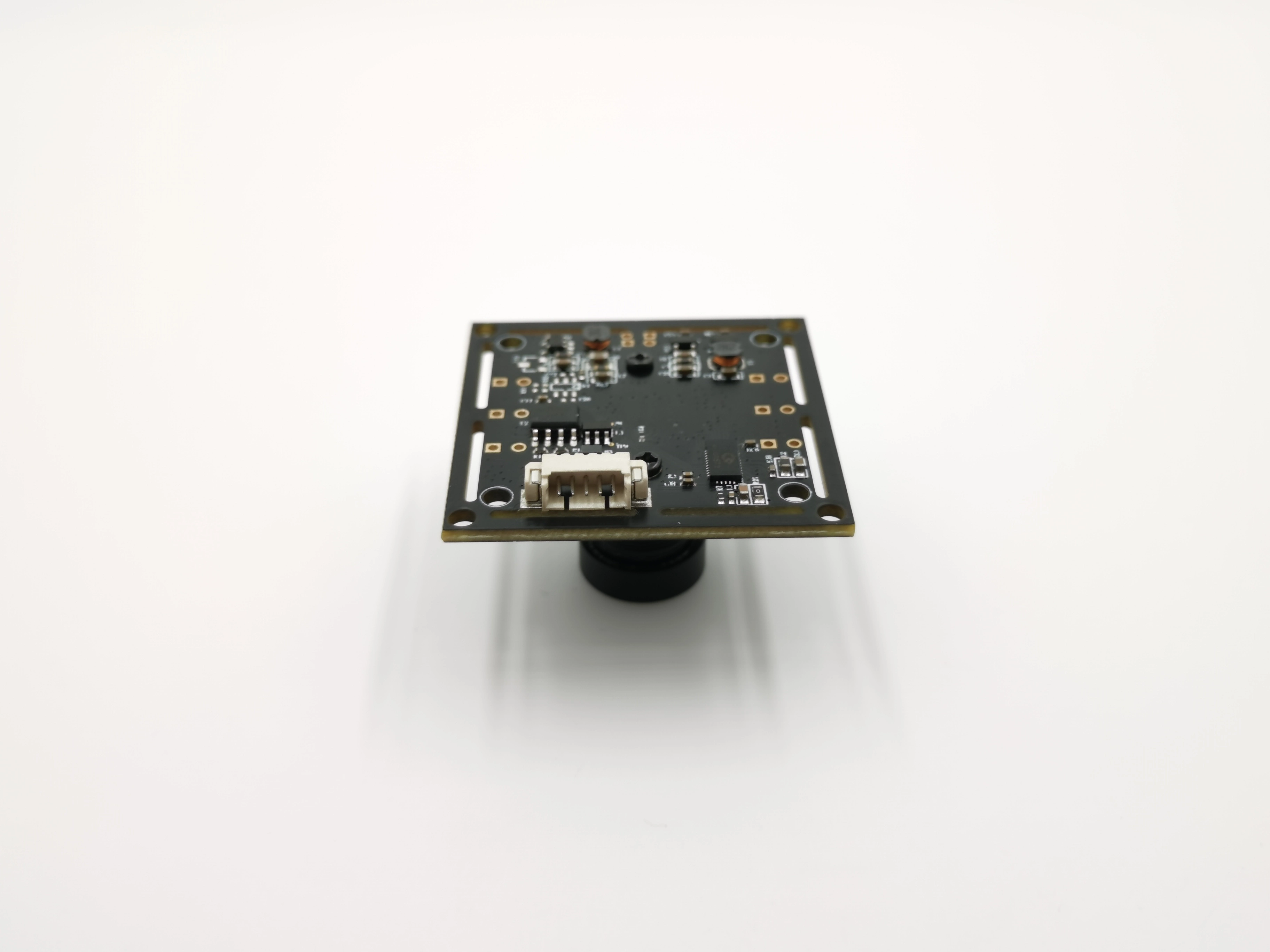
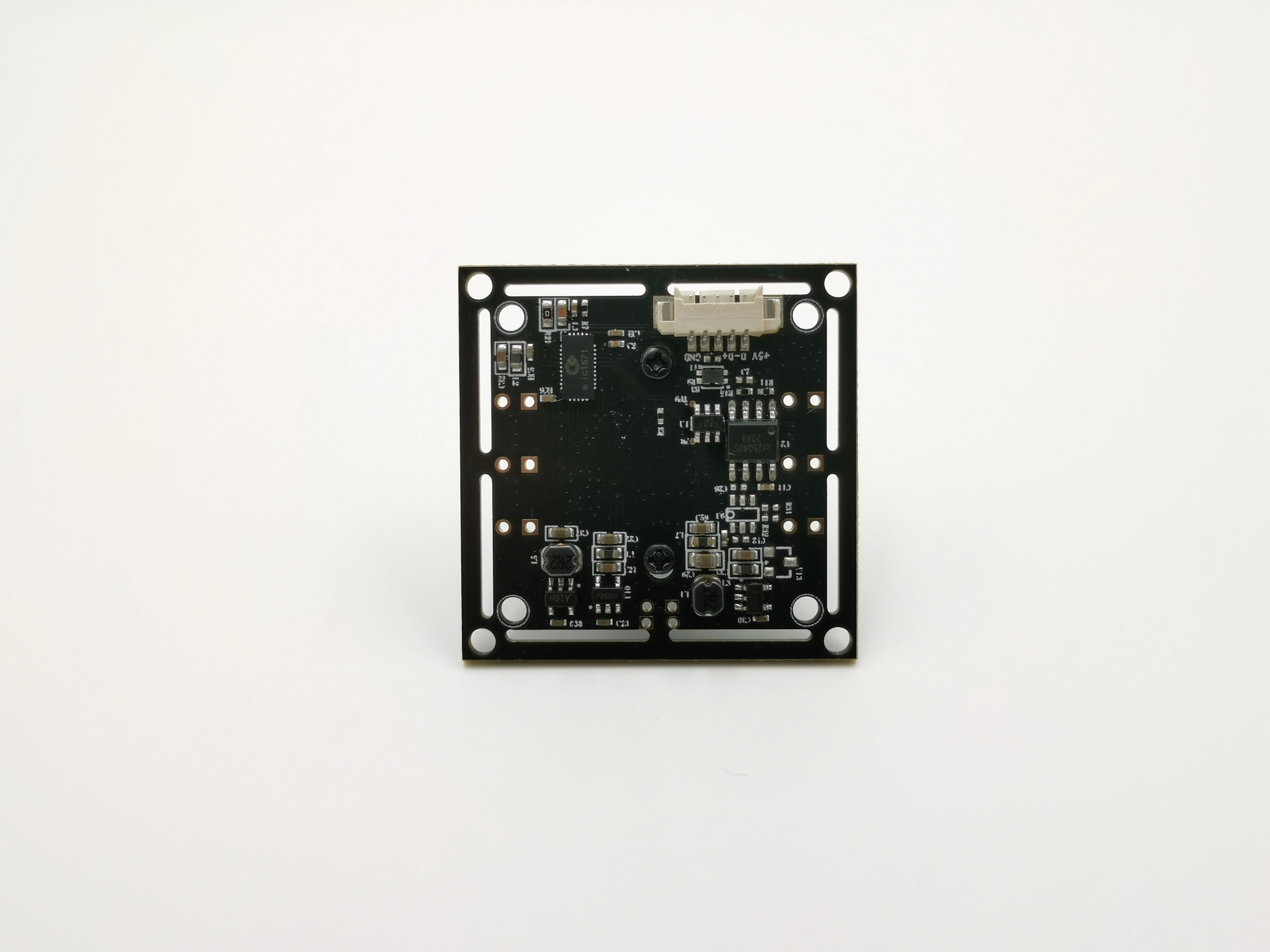
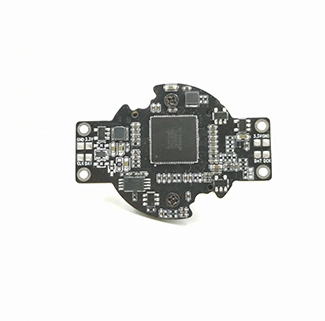
USB 3.0 Camera Module Specifications
The CK-U-68-V2.0 combines a PS5268 image sensor with USB 3.0 connectivity, Full HD video output, 85dB HDR and a wide-angle M12 lens configuration. The specifications below summarize the standard configuration of this 2MP USB 3.0 camera module.
| Specification | CK-U-68-V2.0 | Remarks |
| Image Sensor | PS5268 |
|
| Image Sensor Size | 1/2.7" |
|
| Effective Pixels | 1920 × 1080 | 2MP Full HD |
| Pixel Size | 3.0μm × 3.0μm |
|
| Video Output | MJPEG / YUV2 (YUYV) |
|
| Maximum Frame Rates & Resolution | 1920 × 1080 @ 30fps MJPEG
1280 × 1024 @ 30fps MJPEG
1280 × 720 @ 30fps MJPEG
800 × 600 @ 30fps MJPEG
640 × 480 @ 30fps MJPEG |
|
| Maximum SNR | 41dB |
|
| Dynamic Range | 85dB HDR Mode |
|
| Minimum Illumination | ≥0.001 LUX at F.No 2.6 | No LED |
| Interface | USB 3.0 |
|
| Power Requirements | USB 5V |
|
| Power Consumption | 300mW |
|
| Operating Temperature | -30℃ to 85℃ |
|
| Storage Temperature | -40℃ to 105℃ |
|
| 850nm IR LED | Not standard; customization available |
|
| Operating System | Windows XP / Vista / Windows 7 / Windows 8;
Linux with UVC (kernel 2.6.26 or above);
macOS X 10.4.8 or later;
Android 4.0 or above with UVC | UVC host required where specified |
| Lens Mount / Size | M12 diameter; 21mm TTL |
|
| Lens Construction | 6G + IR |
|
| F/NO | 2.6 |
|
| EFL | 2.8mm |
|
| Field of View | D=140° / H=112° / V=84° |
|
| Optical Distortion | ≤-61% |
|
| Shooting Distance | Fixed Focus, 10cm to infinity |
|
Why Choose USB 3.0 for Embedded Vision?
USB 3.0 is particularly useful for embedded imaging applications that need to transfer Full HD or other high-data-rate video to a host system while retaining the flexibility of a standardized USB connection.
Higher Data Bandwidth
Greater interface bandwidth provides more flexibility when transmitting higher-resolution, higher-frame-rate or less-compressed image data between the camera and host system.
Flexible Host Integration
A USB-based camera architecture can simplify integration with PCs and compatible embedded computing platforms where a standardized external camera interface is preferred.
Suitable for Distributed Camera Placement
USB connectivity can provide greater mechanical flexibility when the camera board and main processing platform cannot be positioned directly beside each other inside the final equipment.
USB 3.0 vs USB 2.0 Camera Modules
The main advantage of USB 3.0 is interface bandwidth rather than image quality by itself. When a project requires Full HD video, higher frame rates or less-compressed image transmission, the available interface bandwidth becomes an important part of camera selection.
| Selection Factor | USB 3.0 Camera | USB 2.0 Camera |
| Interface Bandwidth | Higher | Lower |
| High-Resolution Video | More flexibility for high-data-rate video | More bandwidth-constrained |
| High Frame Rate | More interface headroom | More limited at higher resolutions |
| Typical Selection | Machine vision, robotics and higher-data-rate embedded imaging | General embedded imaging with lower bandwidth requirements |
Applications for USB 3.0 Camera Modules
The CK-U-68-V2.0 can be evaluated for OEM imaging systems where Full HD video, compact camera-board integration and USB connectivity are important design requirements.
Industrial Automation
Suitable for visual monitoring, component recognition, equipment observation and other industrial imaging tasks requiring a compact camera connected to a host computing platform.
Robotics
Can be evaluated for robot vision, object observation, positioning and other applications where image data is transferred to an external processor.
Smart Terminals
The board-level design can support integration into kiosks, access terminals, interactive equipment and other intelligent devices with embedded imaging requirements.
Intelligent Cockpit & Embedded Devices
The compact camera-board architecture and configurable optics can support integration into space-constrained OEM products where the camera forms part of a larger embedded system.
OEM USB 3.0 Camera Module Customization
Camera module integration requirements vary by enclosure design, imaging distance, host platform and target application. CK Vision can evaluate optical, mechanical and interface configurations for OEM USB 3.0 camera projects based on system requirements.
Lens & Field of View
Alternative M12 lens configurations can be evaluated according to working distance, target size, required field of view, distortion limits and enclosure height.
PCB & FPC Design
PCB dimensions, FPC routing, component placement and installation direction can be evaluated for integration into custom embedded devices with specific mechanical constraints.
Cable & Connector Configuration
Cable length, connector type, connector orientation and host-side connection can be evaluated according to the electrical and mechanical architecture of the final system.
Infrared & Filter Options
The standard configuration does not include an 850nm IR LED, while infrared configurations can be evaluated for projects requiring different visible-light or near-infrared imaging requirements.
Firmware & Image Configuration
Supported image parameters can be evaluated and configured according to the target application, host environment and required imaging performance.
Need an even smaller camera design? For applications where physical camera size is the primary integration constraint, explore our smallest USB camera module options for space-constrained embedded devices.
How to Choose a USB 3.0 Camera Module
Selecting a USB camera module should start with the imaging requirement rather than resolution alone. For OEM projects, the following factors can help determine whether this 2MP USB 3.0 camera module is suitable.
1. Define the required resolution. Determine whether 1920 × 1080 is sufficient for the target object size, viewing distance and required image detail.
2. Confirm frame rate and output format. Evaluate whether 30fps MJPEG and the available MJPEG/YUYV output options match the host processing workflow.
3. Calculate the field of view. Match lens choice to working distance, target width, enclosure constraints and acceptable distortion.
4. Confirm the host platform. Check the required USB interface, UVC support and operating environment before finalizing the camera configuration.
5. Define OEM integration requirements. Provide enclosure dimensions, cable and connector requirements, lens/FOV targets and any infrared or image configuration requirements.
If your application requires higher pixel density, compare our 4K USB camera module. For projects where compact mechanical dimensions are the primary constraint, see our small USB camera module .
USB 3.0 Camera Module FAQs
What resolution and frame rate does the CK-U-68-V2.0 support?
The CK-U-68-V2.0 supports up to 1920 × 1080 resolution at 30fps using MJPEG output. Additional supported MJPEG resolutions include 1280 × 1024, 1280 × 720, 800 × 600 and 640 × 480 at 30fps.
What video output formats are available?
The module supports MJPEG and YUV2 (YUYV) camera data output. The appropriate format should be selected according to host bandwidth, processing requirements and the target application.
Which operating systems can be used with this USB camera module?
The supplied specification lists Windows XP, Vista, Windows 7 and Windows 8, Linux with UVC support from kernel 2.6.26 or above, macOS X 10.4.8 or later, and Android 4.0 or above with UVC support. Compatibility with a specific host configuration should be confirmed during project evaluation.
What is the benefit of the 85dB HDR mode?
The 85dB HDR mode is intended for scenes containing both bright and dark areas, helping the camera retain more usable image information under challenging contrast conditions.
Can the lens, FOV, cable or connector be customized?
CK Vision can evaluate alternative optical and mechanical configurations according to project requirements, including lens and field of view, PCB/FPC layout, cable length, connector configuration and installation constraints.
Can CK Vision support image optimization for OEM camera projects?
Image configuration requirements can be evaluated according to the host platform and target application. For projects involving SoC-level camera image quality optimization, you can also explore CK Vision's ISP tuning and camera development services.
Need a USB 3.0 Camera Module for Your OEM Project?
Tell us your required resolution, frame rate, working distance, field of view, host platform, camera dimensions and expected application. CK Vision can evaluate a suitable camera configuration for your embedded vision project.
Discuss Your USB Camera Project