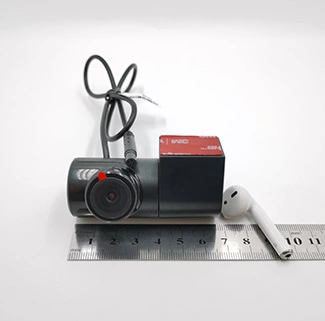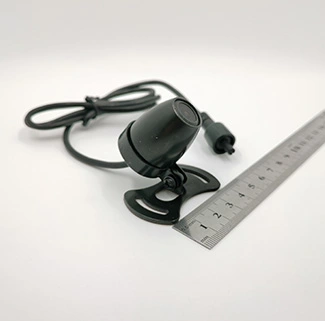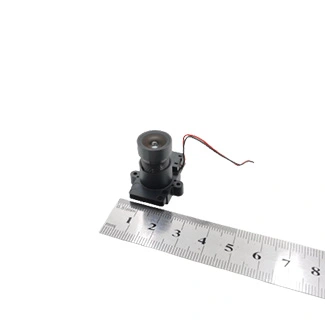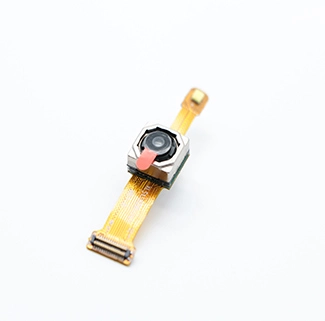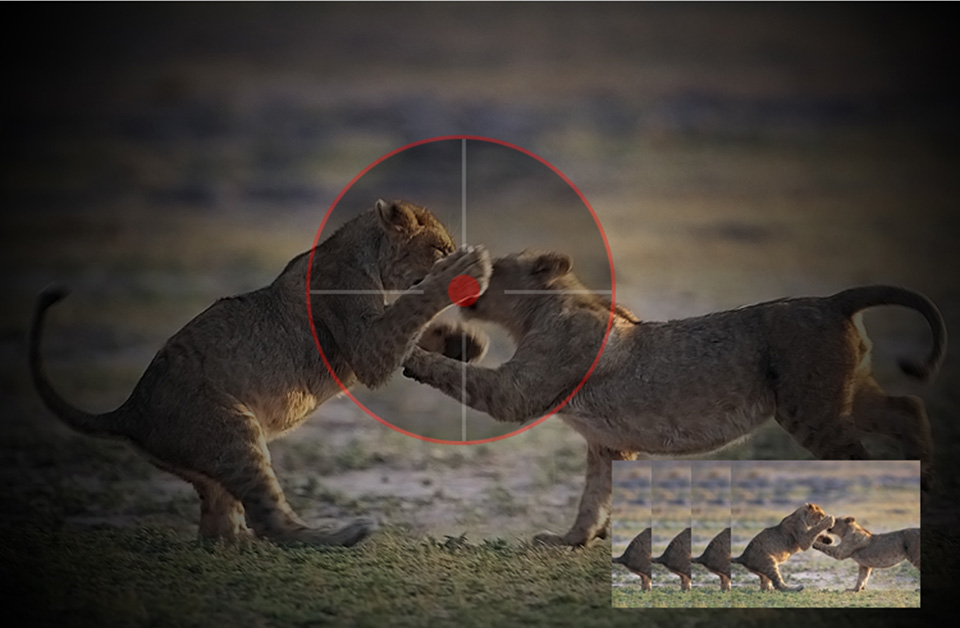
A hunting camera (also known as an infrared induction camera or low-light camera) is a new type of device that functions between a traditional camera and a surveillance system. It adopts infrared DSP intelligent computing with advanced human and animal recognition technology, ensuring low false alarms while automatically capturing high-definition images and videos. The wireless infrared security camera offers excellent concealment and strong adaptability to various environments, performing reliably in high temperatures, high humidity, and extreme cold. Hunting cameras provide hunters with accurate image information.
As a professional camera module manufacturer, we supply high-quality camera modules for hunting cameras and offer customized solutions to meet customer needs.
Why Camera Modules are Used for Hunting?
Cameras are deployed in the field to monitor wildlife activity. They capture images or videos of animals in their natural habitat, providing valuable insights into the presence, behavior, and patterns of different species.
Hunters use trail cameras to scout potential hunting locations. These cameras help identify the types of game in an area, their movement patterns, and the best times for hunting.
Cameras with features such as timestamping and GPS tagging enable hunters to track the movements of specific animals. This information can be crucial for planning hunting strategies.
By analyzing the images captured over time, hunters and wildlife managers can assess the population density of various species. This data is valuable for making informed decisions about conservation and hunting practices.
In addition to monitoring wildlife, trail cameras can also serve as security devices to prevent theft or trespassing in hunting areas.
How Camera Modules are Used for Hunting?
Cameras are strategically placed in areas with high wildlife activity or in locations that hunters want to monitor. Common locations include game trails, feeding areas, water sources, or other points of interest.
Most trail cameras are equipped with motion sensors that trigger the camera to capture images or record videos when motion is detected. This ensures that the camera captures images of passing wildlife.
Many trail cameras come with infrared (IR) or No-Glow LED technology, enabling them to capture clear images at night without alerting or disturbing animals. This is crucial for 24/7 monitoring.
Depending on the camera model, users can retrieve data by physically accessing the camera's memory card or wirelessly transferring images to a remote device. Wireless capabilities enable real-time monitoring without disturbing the camera site.
Once the wireless infrared security camera has been in the field for a period, hunters and wildlife enthusiasts review the captured images or videos. This analysis helps in understanding wildlife behavior, identifying specific animals, and making informed decisions about hunting strategies.